


BOISE, Idaho — Questions about how Idaho's new restroom law would be enforced took center stage Friday as a federal judge heard arguments over whether the measure should be temporarily blocked before it takes effect next month.
Chief U.S. District Judge Amanda Brailsford spent nearly two hours hearing arguments in Jackson-Edney v. Labrador, a lawsuit challenging House Bill 752, which requires people to use public restrooms based on their biological sex.
The plaintiffs are seeking a preliminary injunction that would prevent the law from taking effect July 1 while the case proceeds.
WATCH: Plaintiffs seek to halt Idaho restroom law before it takes effect
Among those arguing on behalf of the plaintiffs was attorney Kell Olson, who is also a member of the transgender community.
"It is personal. It's personal to a lot of us," Olson said after the hearing. "I go through the world, use restrooms on a daily basis like everyone else."
Olson said the plaintiffs are asking the court to put the law on hold while the lawsuit moves forward.
"We were asking today the court to put the law on hold because these lawsuits can take a long time," Olson explained.
RELATED | Protestors detained at Idaho Capitol during sit-in bathroom bill protest
The plaintiffs argue the law violates constitutional protections, claiming it is vague, difficult to enforce and would cause immediate harm to transgender Idahoans.
The state defended the law as a constitutional measure designed to protect privacy in public restrooms. Attorneys representing the state argued biological sex is a binary term and said the Legislature chose a long-standing approach of separating restrooms based on sex assigned at birth. They also disputed claims that the law is too vague to enforce, arguing law enforcement officers routinely make judgment calls in other areas of the law.
Throughout the hearing, Justice Brailsford repeatedly questioned both sides about how the law would work in practice.
At one point, the judge asked whether officers could interpret and enforce the law differently across the state. She also questioned how law enforcement would determine whether someone qualified for exceptions written into the law.
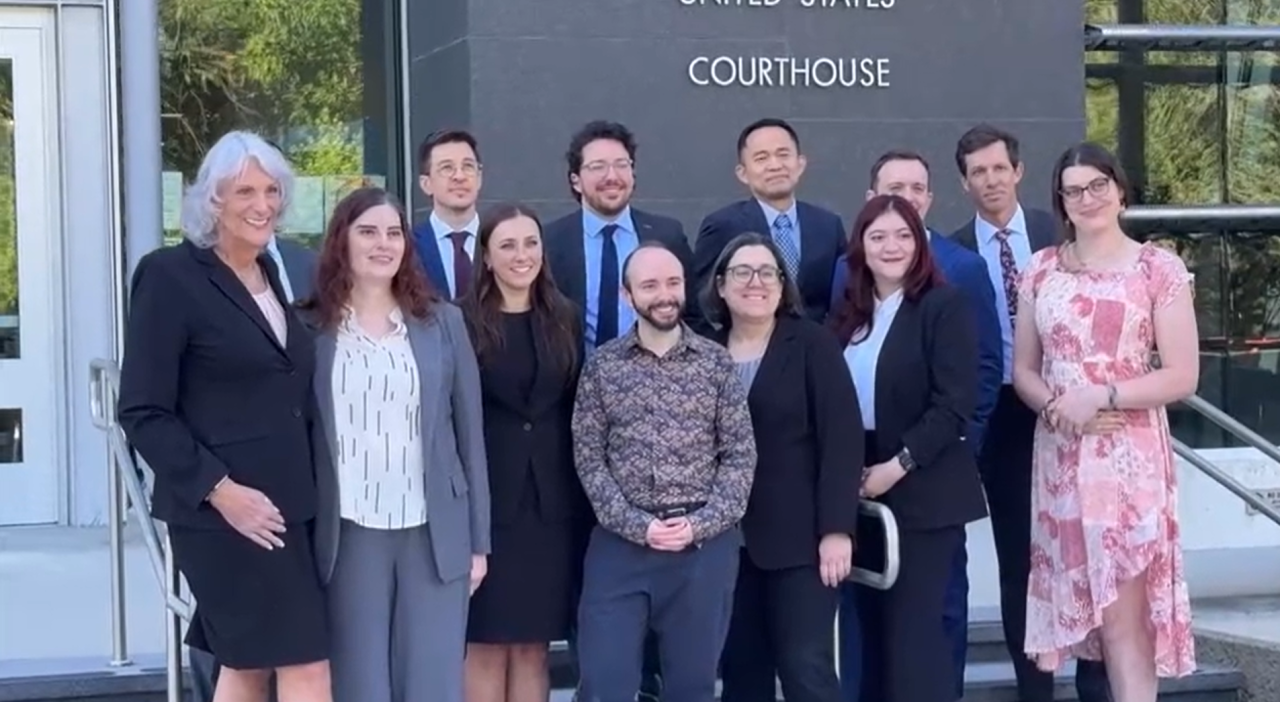
Plaintiffs argued those questions highlight broader concerns about enforcement.
"This law is not clear. It doesn't provide clear guidance to law enforcement about what they do when they show up, how they decide if someone's following the law, how they decide if someone falls under an exception," Olson stated.
The plaintiffs also challenge the law on equal protection grounds, arguing it would force some transgender people to choose between using a restroom that aligns with their gender identity or risking potential criminal penalties.
"It leaves our clients without any real options in engaging in daily public life," added Olson.
The Idaho Attorney General's Office, which is defending the law on behalf of the state, did not respond to a request for comment before publication.
Brailsford did not issue a ruling from the bench Friday. However, she said she understands the need for a timely decision and plans to issue a ruling as soon as possible.
The case was filed May 29, and the court's decision on the preliminary injunction will determine whether House Bill 752 can take effect while the broader legal challenge moves forward.
ALSO READ | Idaho transgender community reacts to new bathroom bill signed into law on Transgender Day of Visibility
