

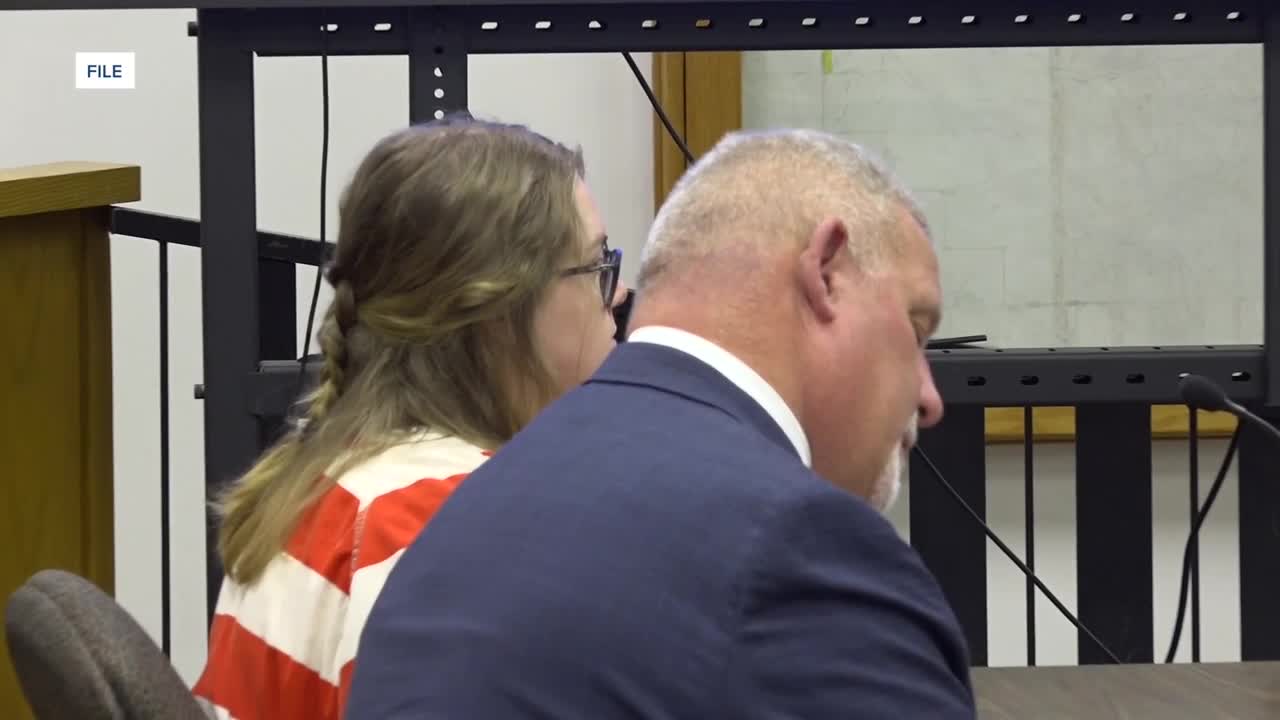


PAYETTE, Idaho — Prosecutors’ decision to seek the death penalty against Andrea Shaw brings additional scrutiny to her murder case and would require a separate sentencing proceeding if she is convicted, former Idaho Attorney General David LeRoy said.
Shaw has pleaded not guilty to two counts of first-degree murder in the deaths of her 18-month-old twins, Dallas and Tyson. The children were found dead at their Payette home in May 2025.
Prosecutors allege Shaw suffocated them. Her defense argues the twins died after adverse reactions to routine vaccinations.
RELATED | Court docs reveal new details in case against Payette mother accused of killing twins
LeRoy said the possibility of capital punishment affects how attorneys and judges approach everything from evidence and objections to court rulings that could be challenged on appeal.
“Every participant in a death penalty trial second guesses themselves and goes much more slowly, much more deliberately,” LeRoy said. “The prosecutor has to be careful about the evidence and what they say at all times.”
WATCH: Legal expert explains stakes in Andrea Shaw death penalty case
In an Oct. 16 notice, prosecutors identified four statutory aggravating circumstances they intend to prove in seeking the death penalty: that another murder occurred at the same time; that the killings were especially heinous, atrocious or cruel, demonstrating exceptional depravity; that Shaw exhibited utter disregard for human life; and that her conduct showed a propensity to commit murder that would likely constitute a continuing threat to society.
Those allegations are not findings of guilt. Shaw is presumed innocent.
“And remember, in a death penalty case, a jury must first find beyond a reasonable doubt the elements of first degree murder are proved in a case,” LeRoy said. “Then and only then would that same jury consider whether there are enough aggravating factors in that particular circumstance.”
If Shaw is convicted of first-degree murder, a separate sentencing phase would follow. To impose a death sentence, jurors must unanimously find at least one statutory aggravating circumstance beyond a reasonable doubt and unanimously determine that death is appropriate after considering mitigating evidence.
Shaw remains held without bond. She gave birth to another child days before her arrest. At a July 14 hearing, Judge Kiley Stuchlik revoked her $2 million bond, citing concerns that she posed a danger to her newborn.
LeRoy also discussed the specialized training and experience involved in representing defendants in capital cases.
Shaw’s defense confirmed that Joe Filicetti continues to represent her. An Oct. 16 court order approved California attorney Richard Jaffe to join the case, with Filicetti remaining local and co-counsel.
Jaffe’s work includes vaccine-related litigation. He also represents Shaw in a separate federal lawsuit brought by Children’s Health Defense and other plaintiffs against the American Academy of Pediatrics over its vaccine-safety statements.
The academy disputes the allegations and has asked the court to dismiss the lawsuit, according to The Associated Press.
Shaw’s trial is scheduled to begin January of 2027.
