

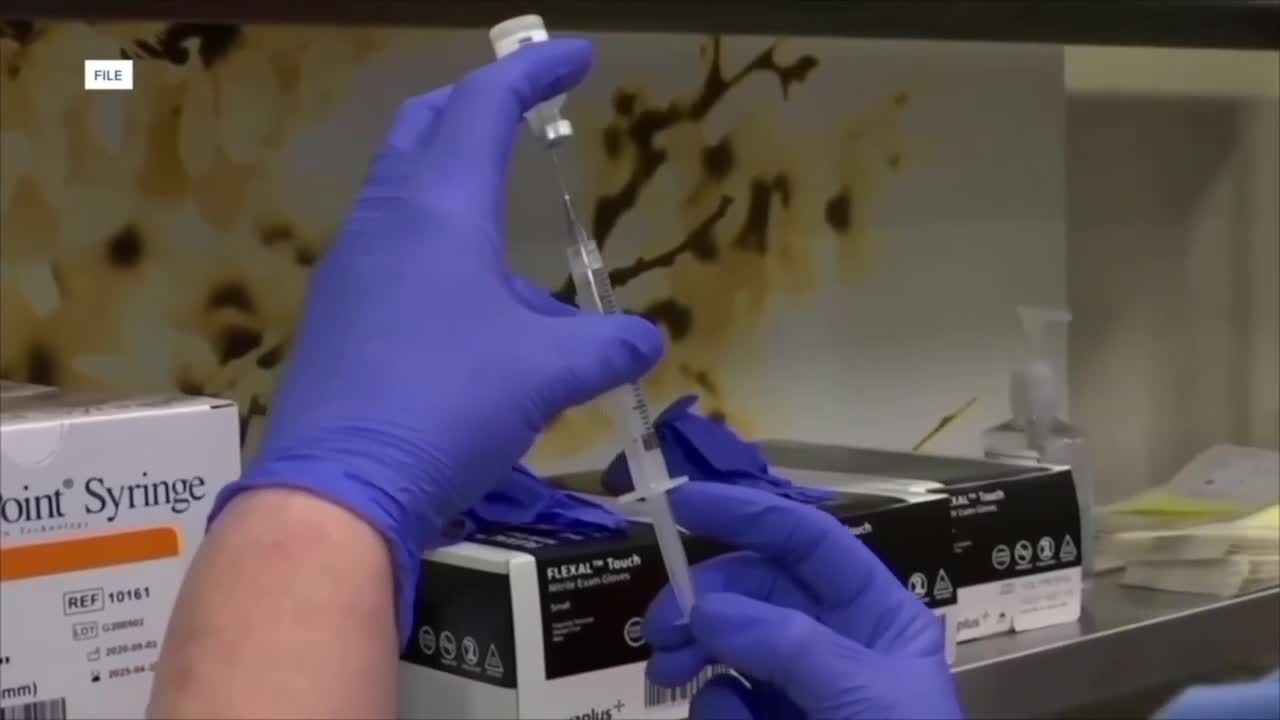


IDAHO — As measles spreads in the United States, fewer Idaho kindergartners are up to date on the vaccine that protects against it.
About 75% of Idaho kindergartners were up to date on the measles, mumps and rubella vaccine in the 2025–26 school year, down from about 79% the year before and below the national rate of about 92%.
RELATED | U.S. loses measles-free status, Idaho nonprofit urges vaccination
The U.S. lost its measles elimination status after the virus spread continuously for at least a year. In Idaho, the resurgence has renewed discussion about who should decide whether children get vaccinated and how vaccination rates affect the spread of measles.
Leslie Manookian, a founding board member of Health Freedom Idaho, said families should make their own decisions about vaccination. She said the COVID-19 pandemic changed how some families view public health guidance.
WATCH: An Idaho advocate makes the case for vaccine choice as a pediatrician explains measles risks
“I think people are choosing to not vaccinate their children more and more because they’re doing their research,” Manookian said.
Asked about the risk of serious illness from measles, Manookian pointed to nutrition, saying she believes people who are deficient in vitamin A face worse outcomes.
Dr. Byron Knowles, a pediatrician at Thrive Pediatrics in Meridian, said doctors can give vitamin A under medical supervision as part of treatment for some children with measles. He said vitamin A does not prevent measles or replace vaccination.
“This is a very serious disease,” Knowles said. “There's no way to predict who's going to have really severe disease and end up in the hospital or the ICU or potentially die from it,” he adds.
RELATED | As measles resurges, Idaho vaccination rates trail national average
The Centers for Disease Control and Prevention says two doses of the MMR vaccine are about 97% effective at preventing measles. Knowles said about 95% vaccination coverage in a community makes sustained spread much harder. That protection, known as herd immunity, helps shield babies who are too young for routine vaccination.
“Because measles is so infectious, even a small decrease in the vaccine rate will start to lead to spread,” Knowles said.
For Manookian, the decision comes down to who gets to make it.
“At the end of the day, life carries risk and we all have to make our own choices,” she said.
The CDC advises parents who think their child may have measles to call the doctor’s office before going in so staff can arrange care and limit exposure to other patients.
