


CALDWELL, Idaho — A long-debated proposal to create a railroad quiet zone in Caldwell remains on hold after public pushback, even as city leaders and economic development planners argue the project could shape the city’s future growth, tourism and quality of life.
The proposed quiet zone would cover seven crossings — 5th Avenue, Kimball Avenue, 9th Avenue, 12th Avenue, 21st Avenue, Linden Street and Ustick Road — and would require safety upgrades including new signage, lighting and crossing arms. The Caldwell Public Works Department has budgeted about $400,000 for the improvements.
Watch: Roger Brooks breaks down the cities need for a quiet zone to move forward
City officials plan to bring the issue before the Caldwell City Council at its Jan. 20 meeting, with additional workshops expected.
Roger Brooks, a nationally recognized downtown development consultant who helped shape Indian Creek Plaza, said the quiet zone is essential to Caldwell’s long-term revitalization. The city recently brought Brooks back to help guide its next phase of planning, a long-term vision known as “Caldwell 2.0” that looks toward what the community could become by 2050.

“If you go back like 25 years, this downtown was pretty much defunct,” Brooks said. “About the only reason anybody would come downtown was for Indian Creek Steakhouse, and that was just barely.”
Brooks said projects like Indian Creek Plaza helped transform downtown into a destination, but emphasized that revitalization is an ongoing process.
“No downtown is ever done. There’s always work to do,” he said. “And so now this is kind of Caldwell 2.0.”
That vision includes expanding community spaces, creating a three-mile promenade along Indian Creek, encouraging more retail and dining, and positioning Caldwell to capture more tourism revenue. Brooks said those efforts are closely tied to the quiet zone proposal.
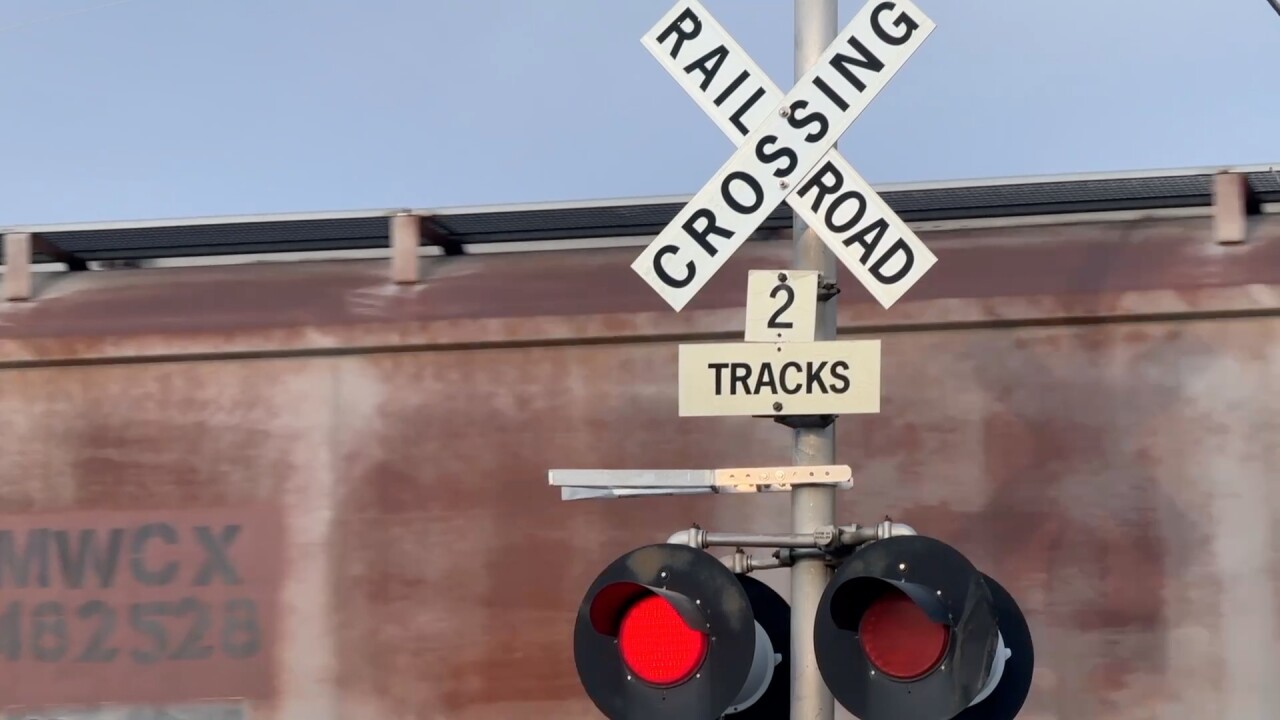
“The quiet zone is a no-brainer,” he said. “It’s just an absolute no-brainer, creating a quiet zone through this area.”
Supporters argue the quiet zone would improve quality of life for residents, support new housing and business development, and reduce disruptions during major events.
RELATED|Protest brewing in Caldwell over approval of 100-room hotel near Canyon County fairgrounds
“Even during the rodeo, even during the fair, they will be broadcasting who the next rider is, and in the middle of it they say, ‘Hang on a second, we have to wait for the trains,’” Brooks said. “This is an embarrassment for Caldwell.”
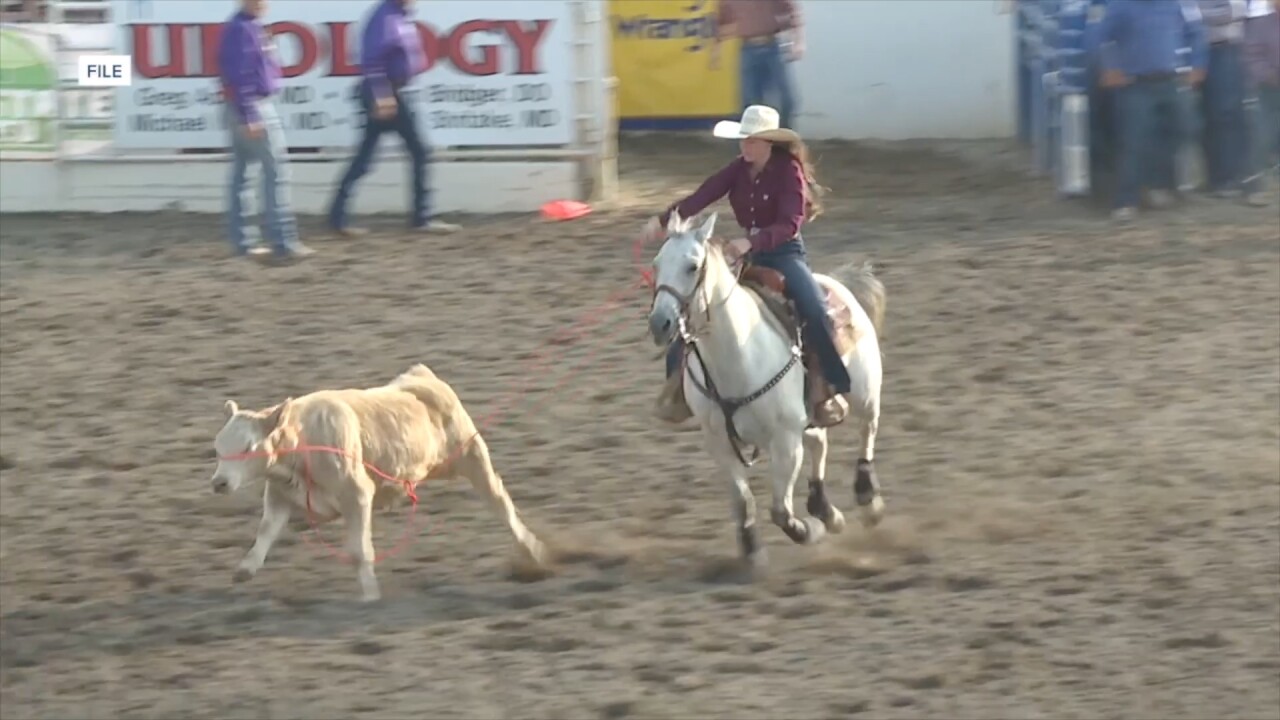
Under federal rules, quiet zones require additional safety infrastructure at crossings because train horns are no longer routinely sounded. Brooks said the cost of those upgrades is small compared to the potential long-term benefit.
“Yes, you have to have signage, you have to have lighting, you have to have crossbars,” he said. “But it’s a one-time expense.”
RELATED|Caldwell plans railroad quiet zones at seven crossings by 2026
Some residents have raised concerns that the quiet zone primarily benefits new development, including a hotel planned near the Caldwell Night Rodeo grounds. Brooks rejected that idea.
“No, we’re doing this for residents from Centennial. We’re doing this for the Garden District … for all those people that live along the railway,” he said. “We’re doing this all the way down.”
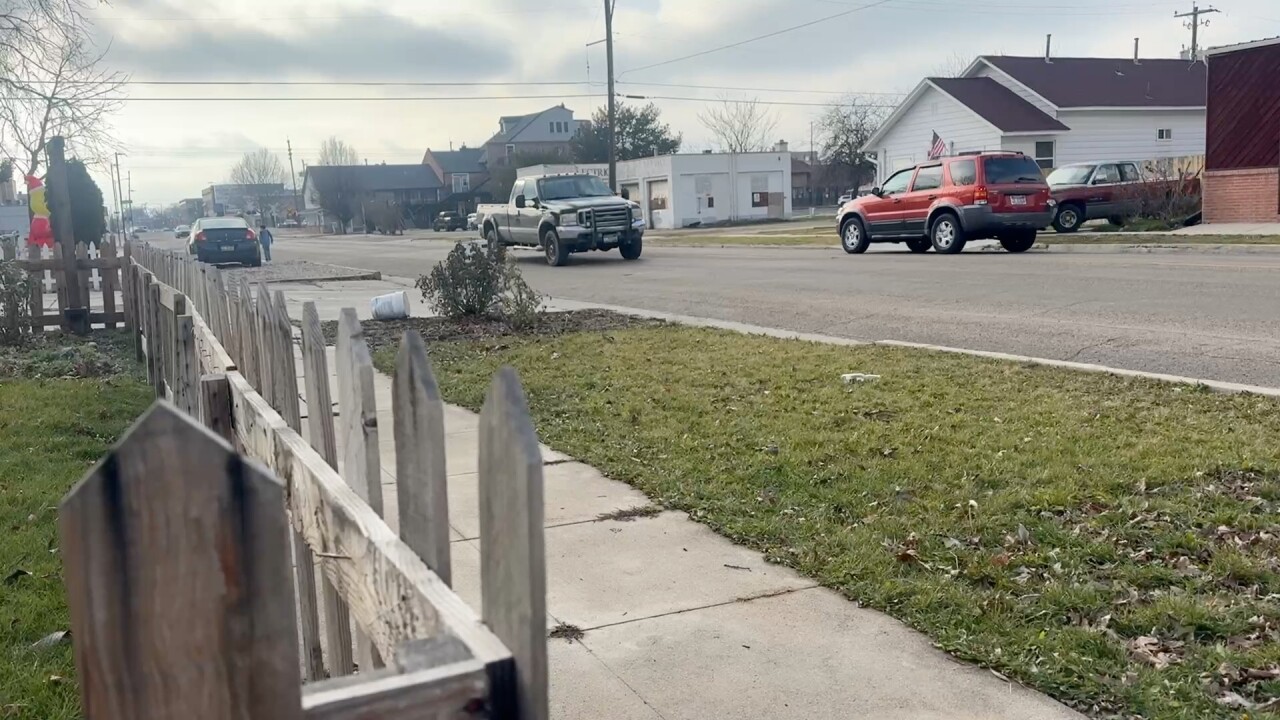
The debate comes as Caldwell continues broader conversations about growth, identity and future development. Brooks said the city’s opportunity lies in building on its recent momentum while ensuring residents remain at the center of the conversation.
“Will this improve the quality of life for its citizens?” Brooks said. “That’s the direction this needs to go.”
For Canyon County happenings, news, and more— join our Facebook Group: 2C Neighborhood News - Nampa, Caldwell, Middleton
This story was initially reported by a journalist and has been, in part, converted to this platform with the assistance of AI. Our editorial team verifies all reporting on all platforms for fairness and accuracy.
