



EMMETT, Idaho — Rural hospitals across Idaho are preparing for another round of federal funding aimed at strengthening health care in smaller communities. For Valor Health in Emmett, the investment could help modernize equipment, improve hospital infrastructure, and make it easier for patients to receive care close to home.
Last week, Valor Health was one of 18 of Idaho's 26 critical access hospitals selected to receive first-round funding through the federal Rural Health Transformation Program. Just one week later, Governor Brad Little announced Idaho would receive another $183 million for the program's second year.
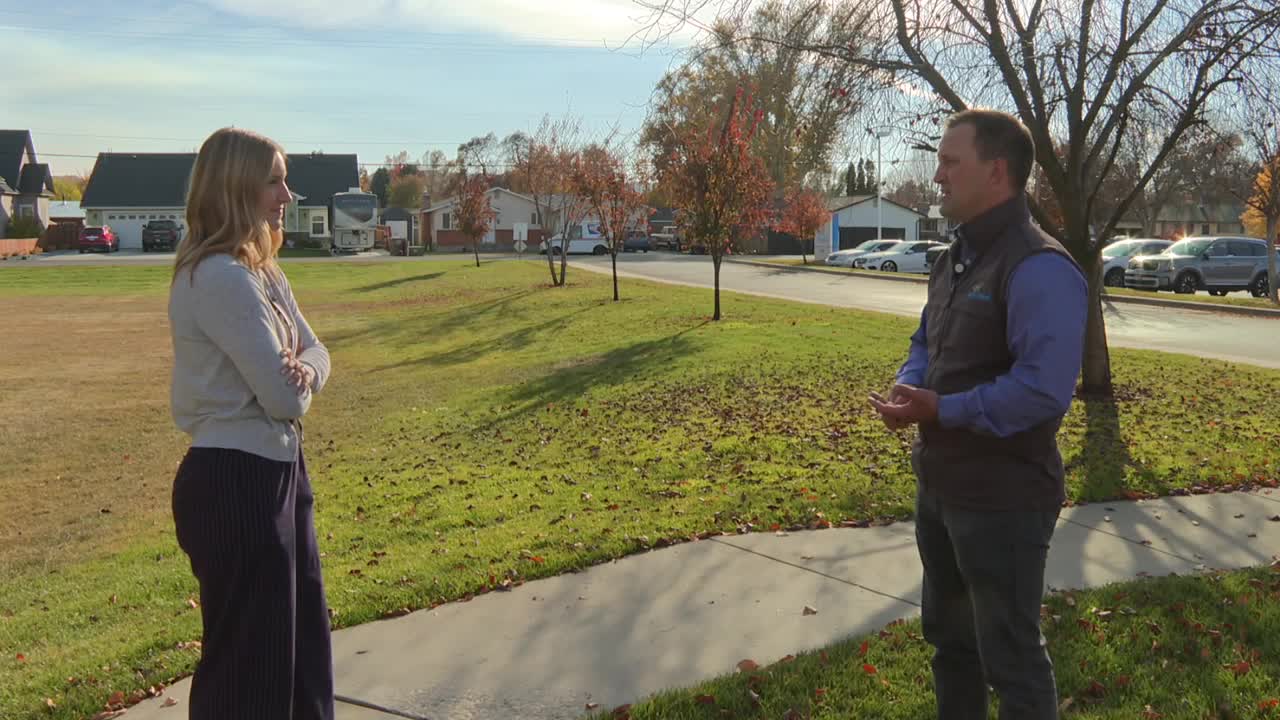
WATCH | Emmett's Valor Health prepares for another round of rural health funding
For Valor Health CEO Brad Turpen, one of the hospital's first priorities is replacing aging imaging equipment.
"That's probably the first purchase that we're going to make is a new CT machine to replace our 17-year-old CT machine."
Turpen said the hospital has started evaluating equipment options and working with vendors to review proposals. Installing the new machine will also require some construction, so the hospital is considering the project timeline and what will be needed to complete the upgrade.
The hospital is also moving forward with plans for a new electronic health record system. Turpen said the largest portion of Valor Health's first-round funding was designated for that project. The hospital is currently in contract negotiations with Providence Health System in Washington.
"We expect to get a final contract signed with them, and then we'll start the project management process, and we'll start working on that, and that will go live in August of 2027."
The projects are part of a larger effort to strengthen the services Valor Health can provide in Gem County. Turpen said access to local care is especially important for residents who may have difficulty traveling to larger cities for medical services.
"We have a lot of folks who driving over the hill is just not feasible for them, and it's not affordable. It's impractical. They may not even have a vehicle, and so having care that's close to home is really important, especially for those vulnerable members of our population."
Turpen said the hospital is also considering other projects as it prepares for the program's second year. Those possibilities include improvements and expansion in its surgical suite, updates to laboratory equipment, and modernizing areas shared by the emergency department and operating room.
He said unpredictable emergency room volume can create space challenges when several patients arrive at once. The hospital also performs tens of thousands of laboratory tests each year, making equipment upgrades another priority.
While the additional funding creates more opportunities for rural providers, the first round comes with a deadline. First-round funds must be spent by the end of September 2027, giving hospitals a limited window to complete their projects.
Toni Lawson, chief advocacy officer for the Idaho Hospital Association, said the timeline has been affected by the time it took to receive federal guidance, review applications, and secure spending authority through the Idaho Legislature. She said the next round will also need legislative approval before those funds can be distributed.
Idaho has 26 critical access hospitals and one rural emergency hospital, for a total of 27 explicitly rural facilities. Lawson said eight of those facilities did not receive funding in the first round and are hoping to be included in the next round.
"That's 27 explicitly rural facilities in Idaho, and of those, 8 of them did not receive any of this first round of rural health transformation program dollars, so they're hoping they'll be included in the second round."
Lawson said some hospitals are now reviewing their applications to understand why they were not selected and what they may need to change before applying again. For communities with projects that have been delayed because of limited funding, another round could create an opportunity to move those plans forward.
The second-year announcement was also welcome news for the association. Lawson said there had been no guarantee Idaho would receive the same level of support again.
"There was no guarantee that the second round of funding would meet the first round, and it's slightly less than the first round, but I was happy to say that Idaho had, kind of, met the requirements to get that level of funding again in the second year."
Beyond individual projects, Lawson said rural hospitals serve an important role in Idaho's broader health care system. They work alongside larger hospitals, providing services that include primary care, outpatient diagnostics, recovery and follow-up care. They can also help stabilize patients before they are transported to facilities with more specialized services.
She said that local access can be especially important during time-sensitive emergencies.
"For you to begin care if that if those extra minutes are spent trying to get to Boise, then outcomes will suffer for that. So I think we really need to realize the rural hospitals and the large hospitals work together, and they're both needed. I like to tell everyone all of our hospitals treat rural patients, not just those located in rural communities."
However, Lawson cautioned that the funding does not eliminate the financial challenges hospitals continue to face. She said some Idaho hospitals operate with very small or negative operating margins, while others have limited cash reserves.
Lawson said the industry standard is at least 90 days of cash on hand, with 150 to 200 days preferred. She said 10 hospitals in Idaho currently have fewer than 90 days of cash on hand.
"Stability and predictability are essential for hospitals to survive, and if you look at kind of where things have been since, let's say, 2020, it's not been very predictable. Stability has been a question."
She said hospitals are navigating changes in government policies, state and federal funding, and health care laws, making long-term planning difficult. While the transformation funding can help providers complete important projects, it is not a solution to every financial pressure they face.
For Valor Health, the hospital is already preparing for another opportunity to secure funding. Turpen said the team is beginning to review what it learned during the first application process and is gathering ideas for projects that could further improve care in the community.
The hospital does not yet have a timeline or deadline for the second-year application, but Turpen said its finance and grant-writing teams are already working on preparations.
"Absolutely, yeah, we, we will take full advantage of that as much as we possibly can. I mean, in my mind that is the federal government saying, hey, we care about healthcare in rural environments. We want you to do as much as you can to deliver care there. And so we take that responsibility seriously, and we, yeah... we'll go for everything we possibly can."
