


EMMETT, Idaho — Emmett School District leaders are asking voters to approve a supplemental levy that would fund critical programs and services in local schools — and they say the district's financial stability makes this the right time to ask.
After nearly two months of deliberation, the school board voted Monday to put a $2.3 million supplemental levy before voters. The levy would run for two years, for a total of $4.6 million, and would take effect in fiscal years 2027 and 2028 if approved.
Watch to learn about Emmett School District's new supplemental levy proposal
Emmett School District Superintendent Craig Woods said the levy is not about financial distress.
"Emmett is financially stable. What this levy is about is giving us flexibility," Woods explained.
Woods said state funding is expected to remain flat going into next year, with no increases to account for inflation — a concern the district has been planning around since January.
"We're in good shape financially, but we need to be able to spend the money that's given to us from the state in a different way than what it's currently allocated at," Woods said.
Over the past six years, the district has reduced staffing and spending to live within its budget, doing so through attrition rather than a reduction in force. Woods said the levy would help the district maintain current staffing levels rather than face further cuts.
The $2.3 million levy is broken down across several specific priorities:
- $300,000 for personnel to launch a kindergarten through 5th-grade behavioral support program
- $700,000 to cover custodial costs
- $225,000 for nursing costs, with the goal of growing the district's nursing staff from 2.5 nurses to 3 full-time nurses across the district's schools
- $75,000 for supplemental materials and supplies, tied to a district initiative to move away from Chromebooks and toward more hands-on instruction
- $1 million for maintenance projects
Kenneth J. Carberry Elementary Principal Greg Alexander said school administrators have been dealing with behavioral challenges for quite a while and had been asking what options existed long before the levy was proposed.
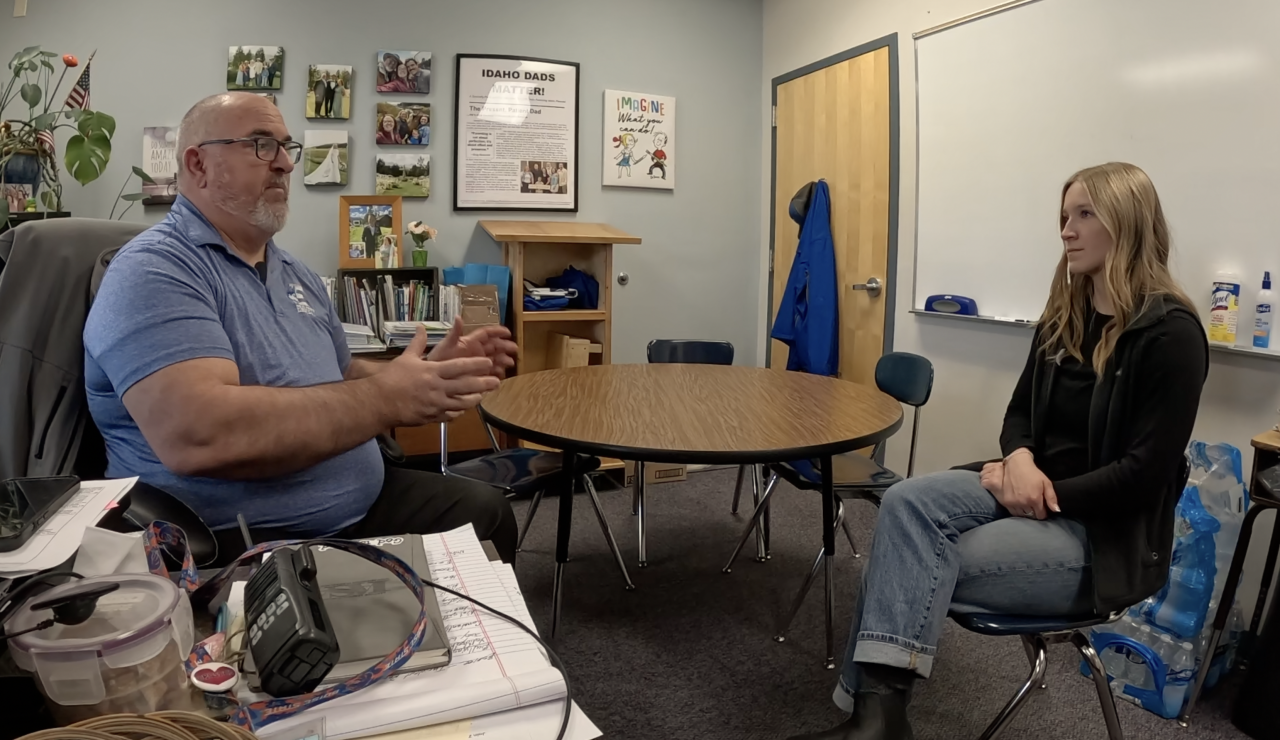
"I get up every day wanting to make sure my environment is safe for kids and healthy for teachers," Alexander said.
The program would ideally bring in an ABA-trained professional — someone trained in Applied Behavior Analysis — to help identify the function of a student's behavior through a process called a Functional Behavioral Assessment, or FBA.
Alexander described the philosophy behind the approach. "We often talk about feeding the monster before the monster eats. They need something, and it's like we're trying to figure out what it is, and sometimes it's adult attention, sometimes it's peer attention, sometimes it's they need to move," Alexander said.
Alexander said that when one student in a class of 25 kids is struggling, it takes significant teacher time and affects the whole classroom environment. The district already uses PBIS — Positive Behavioral Intervention and Support — to recognize students doing the right thing, but Alexander said additional resources are needed for students who continue to struggle.
The goal of the program is not to remove students from the general education classroom permanently, but to help them get back in as quickly as possible.
"We don't want kids to come to school and not be successful," Alexander said.
Alexander said the levy would also help retain teachers who are feeling the strain of managing behavioral challenges without adequate support.
"I want my community to have great schools, and I want them to have safe schools, and I want them to have healthy schools," Alexander said.
"And so if we have that kind of a program that's gonna help us, it's gonna create a better environment," Alexander said.
Woods said the behavioral support piece is a clear priority identified by principals, teachers, and survey data throughout the board's deliberation process.
Alexander said the case for expanding nursing staff is just as urgent. Recently, some students with medical conditions have transferred to a different school building to access a nurse.
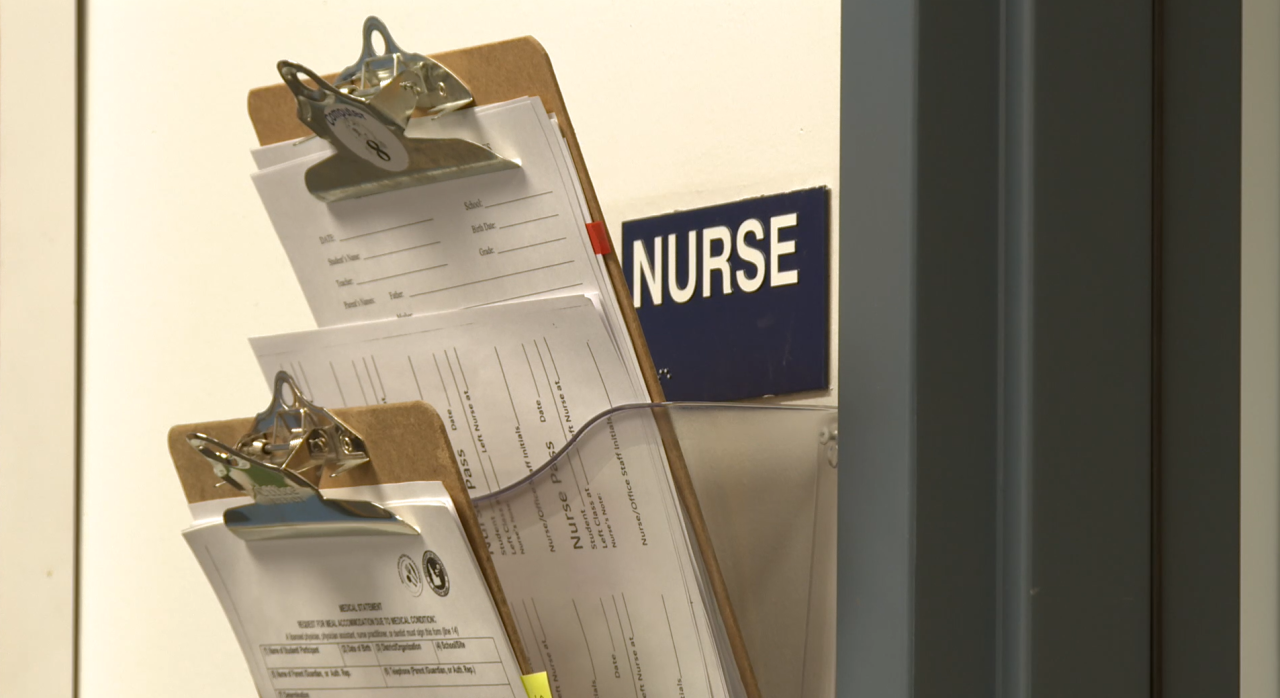
Beyond treating injuries and illness, Alexander said the school nurse handles immunization checks, safety plans, safety buckets for lockdowns, snacks, health plans, medical 504s, and a range of other health concerns — much of it behind the scenes.
"When a student can't go to their own school because they're Type 1 diabetic and they have to come over here because we have a nurse that can help [them] manage following their scores,kids come into our nurse day in and day out," Alexander said.
Alexander said the levy's goal is to have a nurse in each school building — 3 full-time nurses across the district.
"Having a nurse at each school is very beneficial, and that's kind of what we're hoping — and not hoping but planning for — with the levy," Alexander said.
While Idaho law requires the levy's true cost to be displayed on the ballot as $72.03 per $100,000 of assessed property value, the actual impact on taxpayers will be significantly less thanks to a state tax relief bill known as House Bill 292 (HB-292).
Thanks to HB-292, the district expects to receive approximately $1.9 million in reimbursement funds that will bring the total cost of the levy down to $10.48 per $100,000 of assessed property value.
Alexander put the cost in perspective.
"We pay a lot for mosquito abatement in Emmett, and it's funny that when I look at my taxes, and I see more is being spent on mosquito abatement than I do on the schools," Alexander said.
Woods said he wants voters to understand the distinction between what the ballot says and what they will actually pay.
"I want our voters to say, hey, this is a good process, or this is exactly what we feel Emmett needs," Woods said.
The levy is also tied to how the district can use state reimbursement funds. Under House Bill 292, the district is expected to receive approximately $1.9 million — but without a levy in place, those funds can only be spent on maintenance. The levy would allow the district to earmark that money for the specific priorities, freeing up general fund money to help offset inflation costs the district estimates at between 2.4% and 2.7% — roughly half a million dollars in the general fund.
The district is also watching potential impacts from legislation affecting the Idaho Digital Learning Alliance, known as IDLA, which is used throughout the district in grades 6 through 12. Woods said the outcome of that legislation could have a significant financial impact that has not yet been fully calculated.
Woods said he is grateful for the board's work in getting to this point.
"I just want to thank our board," said Woods. "They've spent almost 2 months trying to work through this, looking at what would be the possibilities, what would be the best course for our kids."
The ballot language will be submitted to the county clerk before Friday, March 13. The district will know results by May 20 — a tight timeline, as the budget must be submitted to the newspaper by May 25. Woods and the district's business manager are currently preparing two separate budgets: one if the levy passes and one if it fails.
The levy will be on the ballot on May 19.
