

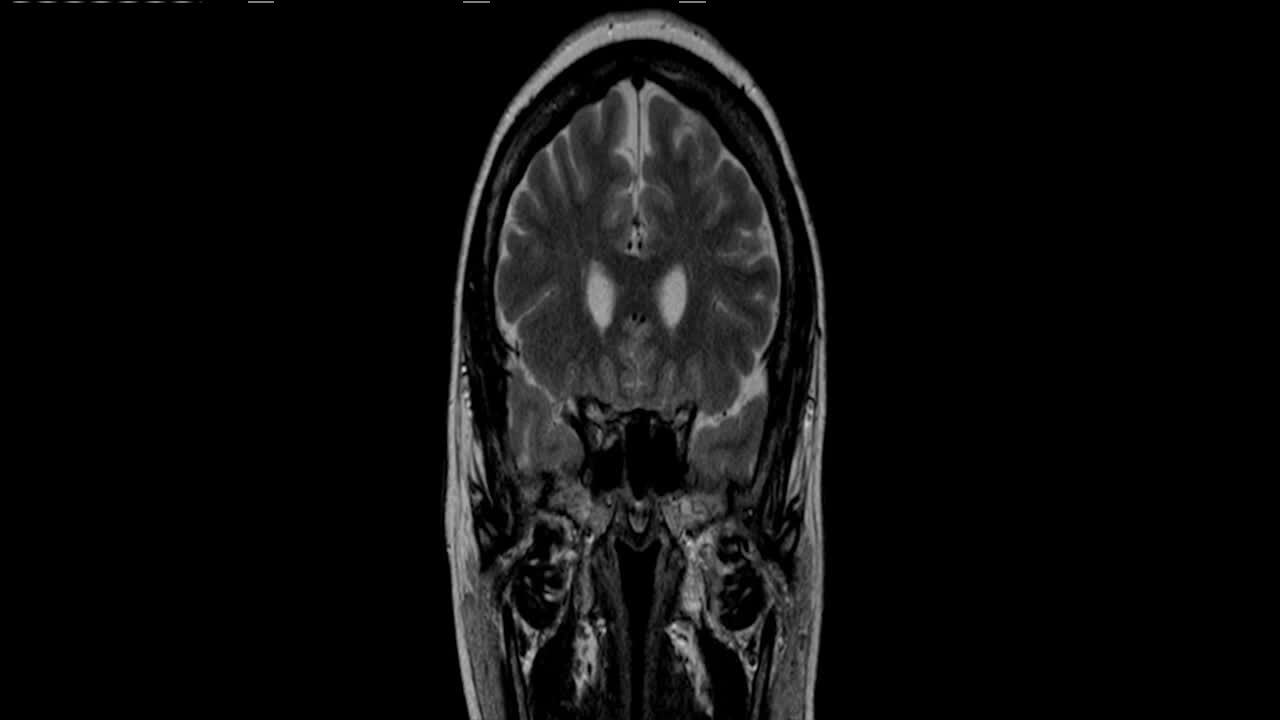


BOISE, Idaho — April is Parkinson’s Awareness Month, and today we’re highlighting the signs to watch for, along with encouraging medical developments for this currently incurable disease.
Parkinson's is named after James Parkinson, a British surgeon who discovered the neurodegenerative disease that causes loss of motor control.
“It happens when cells in our brain don’t adequately make or use dopamine. That’s the root cause of Parkinson’s disease,” said Dr. Daniel Meltzer, an emergency room physician and Executive Medical Director for Regence BlueShield of Idaho.
Why exactly that happens remains a mystery.
Still, 1.5 million Americans suffer from the disease, whose symptoms include tremors, rigid posture, loss of balance, and gait changes.
But people like Michael J. Fox, who lives with the disease and has helped raise $2.5 billion for research, can receive treatment.
“There are medications to replenish the dopamine and minimize symptoms. Physical therapy, occupational therapy, teaching patients how to move with the movement disorder, and overcome. There are surgical interventions [as well],” added Dr. Meltzer.
When it comes to surgery, Medtronic has just created a process of deep brain stimulation that can counteract tremors in real time without waiting for medication to kick in. It’s called Percept. But it’s still not a cure.
Fortunately, Dr. Meltzer says the disease generally progresses slowly, giving those with it a chance to survive and even thrive until science finds a cure.
