

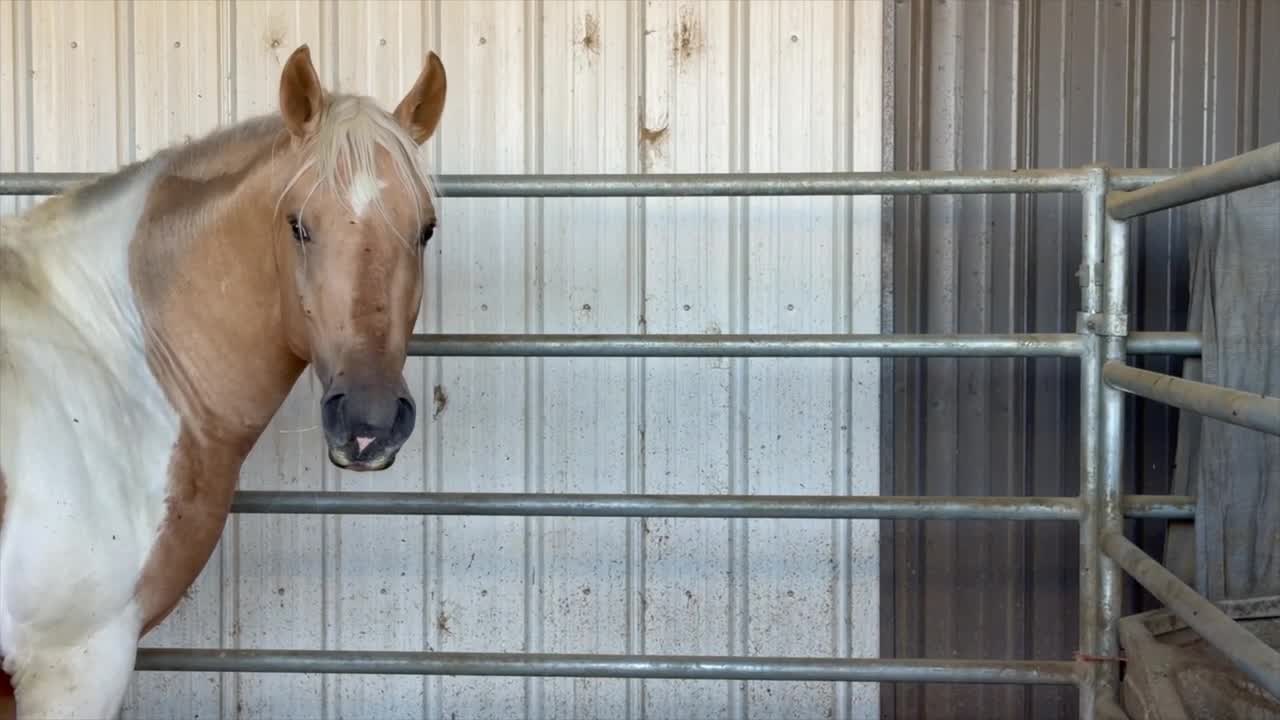


CALDWELL, Idaho — A New York Times investigation found that some federally protected mustangs ended up with a buyer intending to slaughter them, prompting calls for a federal review of the program responsible for gathering and re-homing wild horses.
The American Wild Horse Conservation Group, in a letter from Nevada's 1st Congressional District, asked the Government Accountability Office last week to investigate federal programs in charge of the gathering and sale of wild horses.
The investigation claims that in 2025, some buyers used a middleman to sell federally protected mustangs and move them to slaughter.
Heather Tiel-Nelson, who works out of Twin Falls for the Bureau of Land Management, denied the bureau harms horses in any way. I met with her at the Saylor Creek Herd Management Area outside of Glenn's Ferry.
"The sheer number of animals that we are caring for off the range, over 60,000 animals. Those numbers alone confirm the fact that BLM is not sending wild horses or burros to slaughter," Tiel-Nelson said.
In June, the BLM strengthened the terms for horses sold through its program. Buyers must sign a contract promising to provide humane care, never transfer ownership to a negligent party, and never sell animals for commercial purposes (among other requirements). Violations can result in criminal penalties.
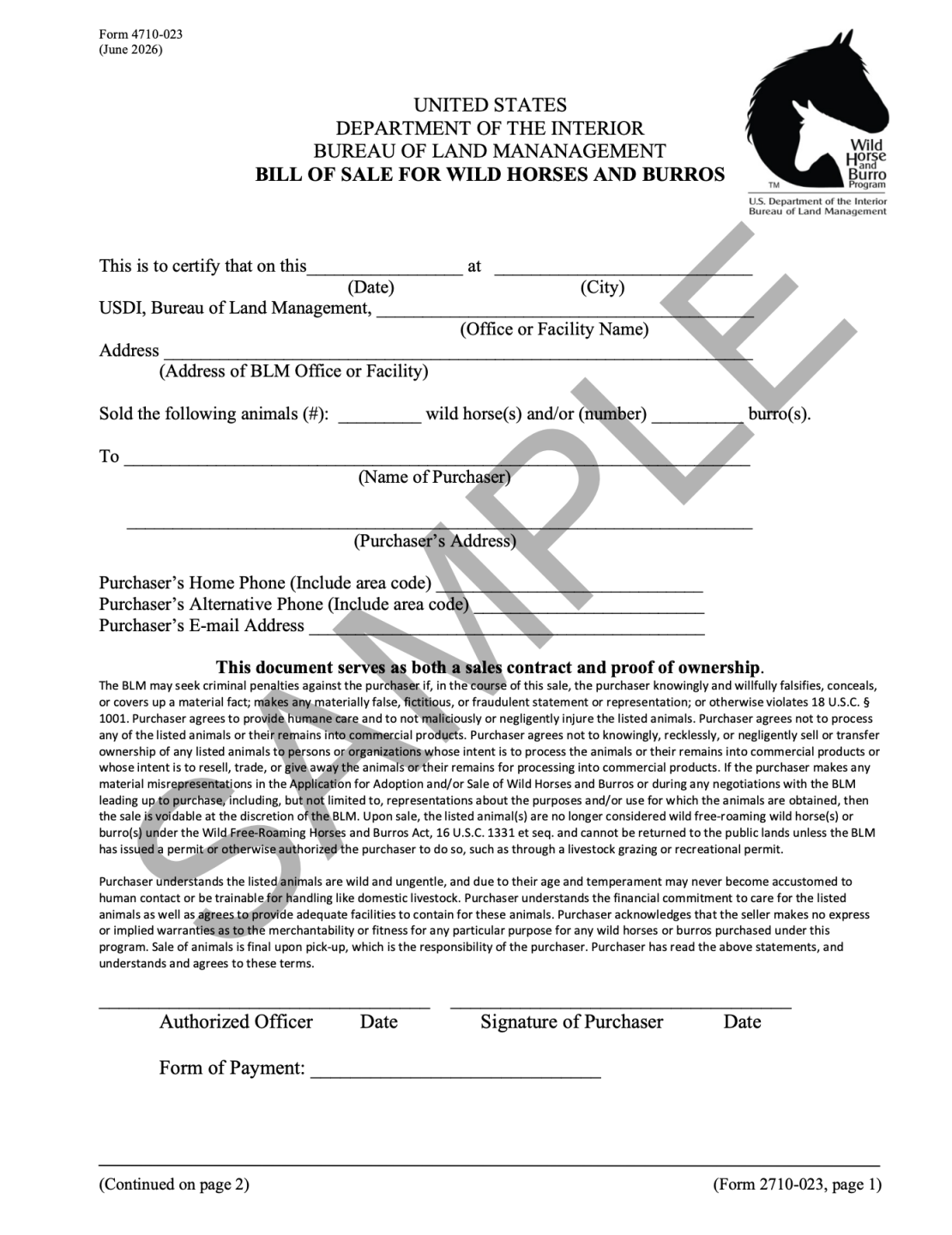
"At that point, it becomes part of a law enforcement investigation," Tiel-Nelson said.
The adoption process carries additional safeguards. During the first year after adoption, the BLM retains the title to the horse. Adopters are subject to random check-ins and are required to provide proper veterinary care, space, food and water.
Stacy Zimmerman and her husband Matt, of Caldwell, adopted Happy, an Appaloosa mustang who spent the first seven years of his life in the wild, through the BLM's Wild Horse Adoption and Sale Program.
Zimmerman said she highly doubts care would decline for adopted horses after the title transfers at the end of the first year.
"The worst time that could happen, I would think, is that first year. That first year is pretty difficult," Zimmerman said.
She also spoke to why the program matters.
"They need homes. Bottom line, they need homes," Zimmerman said.
Some horses in the Sailor Creek herd have recently become very thin due to an overwhelming overpopulation issue. Tiel-Nelson said that without being gathered and placed into government care, wild horses will die.
"Relegating these animals to starve on the range because of lack of forage and water is extraordinarily cruel," Tiel-Nelson said.
The BLM continues to gather horses across the West, with crews this week working in Winnemucca.
For Canyon County happenings, news, and more— join our Facebook Group: 2C Neighborhood News - Nampa, Caldwell, Middleton
