


BOISE, Idaho — Ever seen a red moon?
Tonight, you’ll have the chance to witness a total lunar eclipse — also known as a Blood Moon.
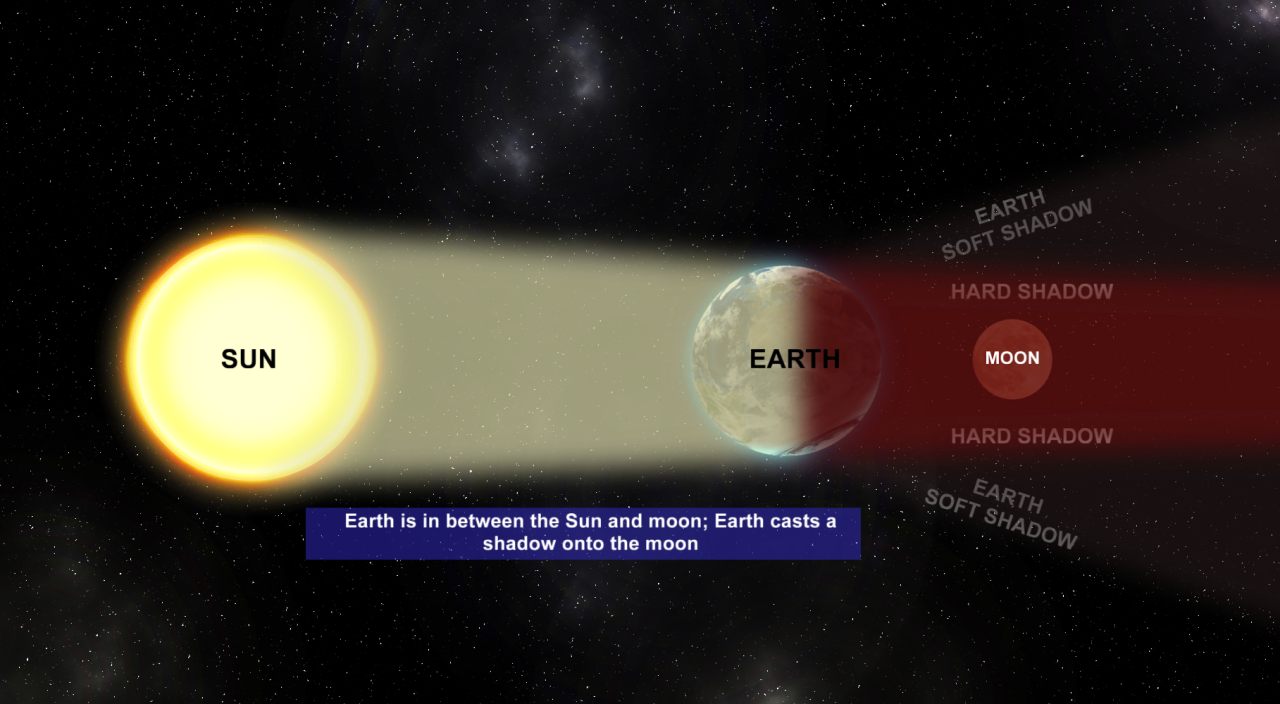
So why does the Moon turn red?
During a total lunar eclipse, the Earth moves directly between the Sun and the Moon, casting Earth’s shadow — specifically the darkest part called the umbra — onto the Moon.
Even though the Moon is in Earth’s shadow, it doesn’t go completely dark. Sunlight passes through Earth’s atmosphere before reaching the Moon. As it does, shorter wavelengths of light — like blue and violet — are scattered in all directions through a process called Rayleigh scattering. This is the same reason our sky appears blue.
The longer red and orange wavelengths are refracted, or bent, through the atmosphere and continue on toward the Moon. That filtered light gives the Moon its deep red or copper color — creating what we call a Blood Moon.
The eclipse begins late March 2nd and continues into the early morning of March 3rd. Partial eclipse starts around 1:44 a.m., with maximum totality at 4:33 a.m.
And the good news? Skies are expected to be clear during peak viewing — so you won’t want to miss it.
ALSO READ | Penguins get front-row seats to rare Antarctic ‘Ring of Fire’ eclipse
