

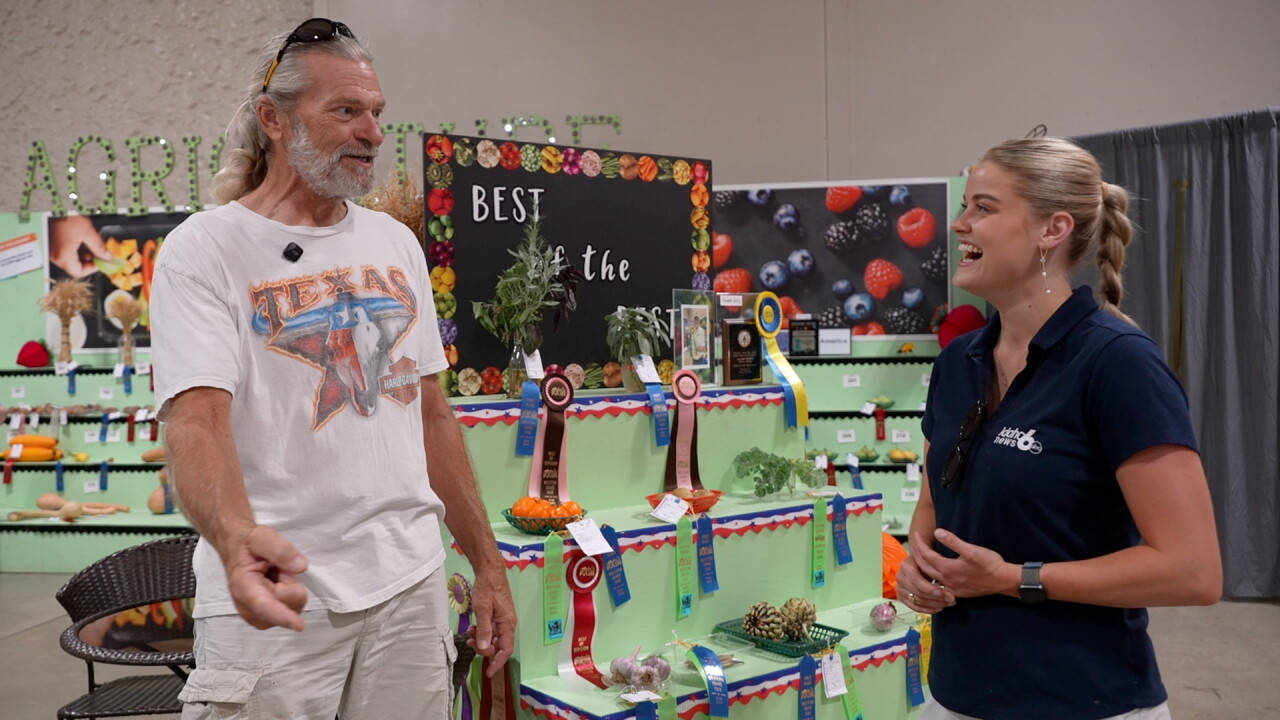



ADA COUNTY, Idaho — After a warm winter, a spring freeze and a scorching, smoky July, this year's weather is showing up at the Western Idaho Fair; both in what growers brought and what they couldn't.
For Nampa gardener Scott Dent, this year's fair marked a long-awaited milestone. Dent said he had wanted to enter the fair for nearly 40 years before finally submitting his crops this year.
“There were 4 entries for the Okra division. And I won all 4. I got blue ribbons, 1st place for all 4 of them, plus the best of the best.”
But while Dent's okra thrived, other parts of his garden struggled.
“Eggplant, tomatoes, we're having a tough time. They get plenty of blooms, but no production, no big red tomatoes.” Dent said corn also performed poorly, while his apples took a hit from the spring cold snap that came before the summer heat.
WATCH | Harsh weather affects Western Idaho Fair entries
Barb Baker, who oversees the Western Idaho Fair's fruit and vegetable department, said the weather affected what exhibitors were ultimately able to submit.
“We did have several pages of fruits and vegetables that they expected to bring and then based on the weather or whatever, we ended up with much less.”
The challenges began earlier in the year.
A warm winter affected water supplies and contributed to concerns about pests in local gardens. Then a late-season cold snap damaged fruit crops, including cherry buds in the Emmett area.
Then came July's extreme heat and wildfire smoke.
RELATED | 'It's a one, two punch'; smoke and drought are hitting farmers hard
Earlier this month, Big D Ranch farmer Neil Durrant said smoky conditions can slow crop growth by limiting sunlight needed for photosynthesis.
“Crops start growing slower. Crops need sunlight and photosynthesis to grow. It doesn’t stop them, but it grows slower.” The effects weren't limited to fruits and vegetables.
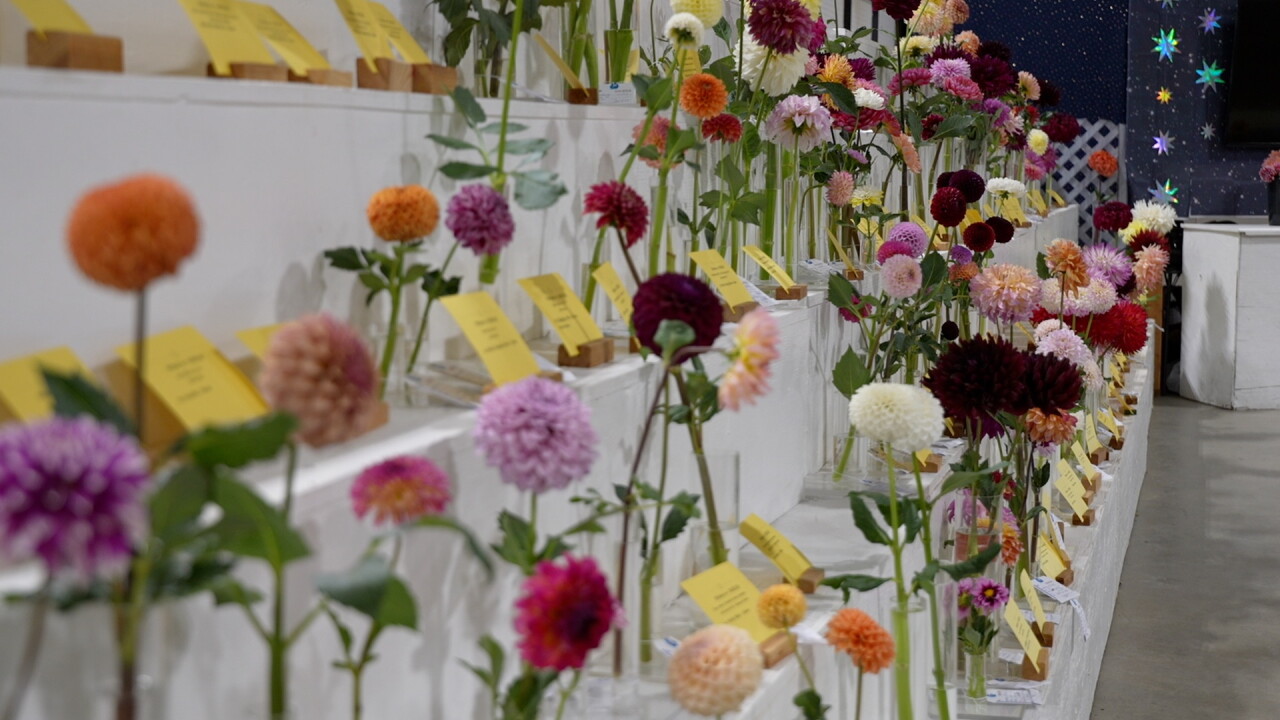
The fair's flower department also reported fewer submissions, with growers pointing to the smoky conditions and difficult growing season as factors.
Baker said some of the fair's biggest agricultural entries were started indoors months before the fair, including a 211-pound pumpkin.
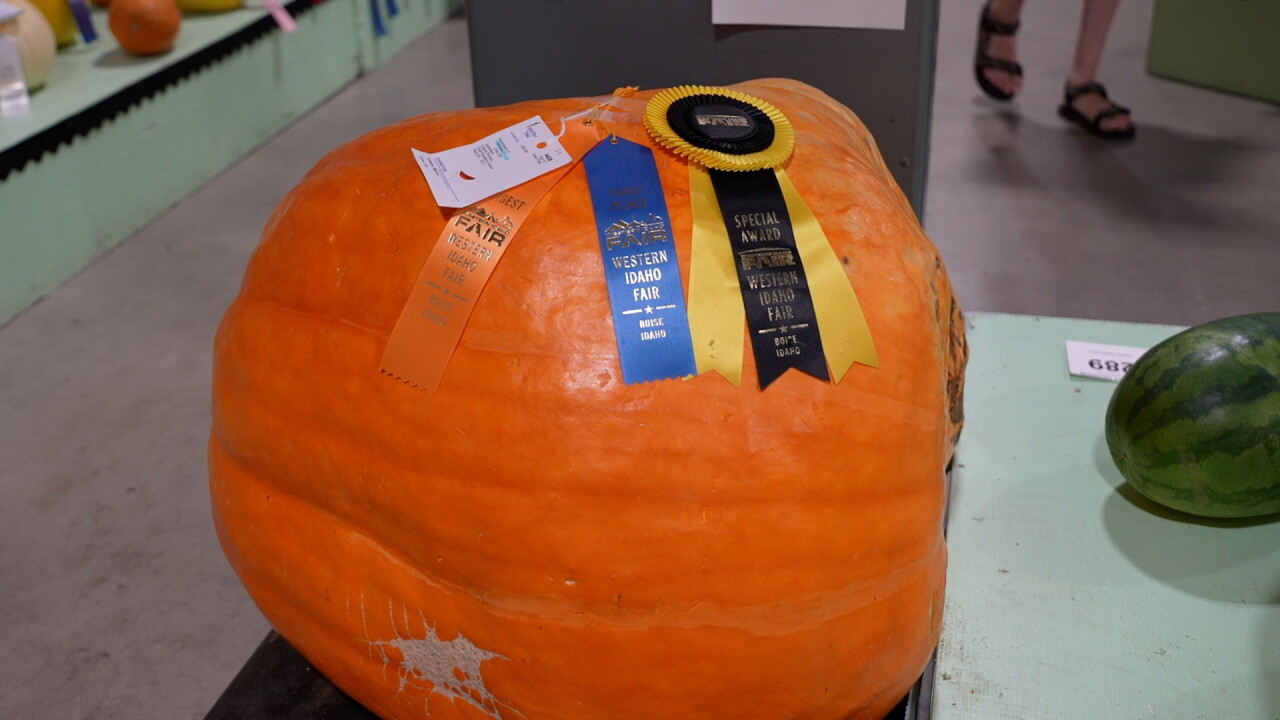
The fair's largest pumpkin and watermelon entries are grown specifically for competition, with some started indoors or in greenhouses as early as January and February.
The difficult growing season is also prompting an effort to get more young people interested in gardening.
The fair's agriculture department is holding a contest for children and teens, with winners receiving a raised garden bed, soil, seeds, fertilizer and gardening supplies. The goal is to encourage young Idahoans to grow their own vegetables and potentially enter them in the fair next year.
Baker said getting young people involved is important to preserving Idaho's agricultural traditions.
“They don't spend a lot of time in the garden, and it's important that they understand, number one, they can do it themselves, and it's a huge part of the Idaho culture."
Fair organizers encourage anyone planning to enter next year to watch for updated rules and deadlines. The Western Idaho Fair is moving to a three-weekend format in 2027, which is expected to bring changes to the submission schedule.
