




NAMPA, Idaho — Neighbors living near Amazon's Prime Air drone delivery hub have raised concerns about constant noise, but questions are also emerging about the impact on local wildlife.
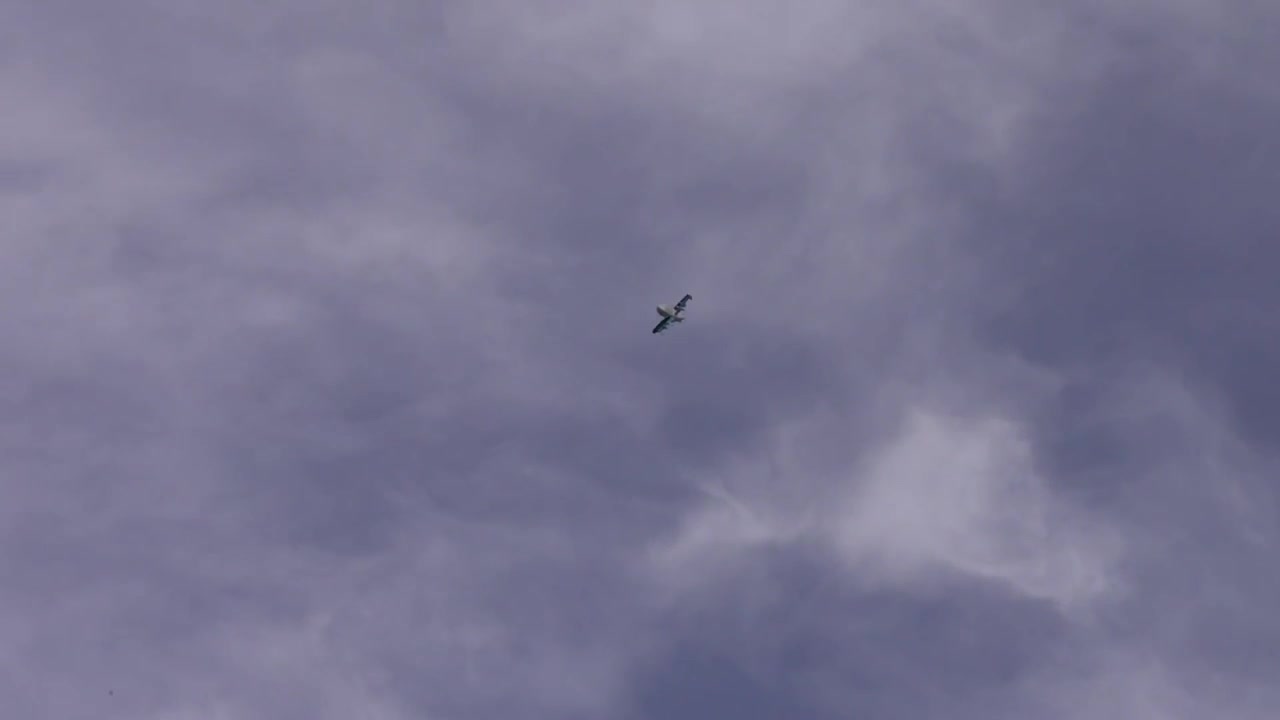
I spent a couple of hours outside with neighbors near the flight path. After 20 minutes, I started to really notice the drones. I could hear them before I could see them. After an hour, we counted a drone passing directly and indirectly overhead about every minute.
A viewer who lives nearby invited me to watch the flights over her home. She said her chickens ran to hide when drones passed during the first few days of operations. Her dog still barks at them from inside the house.
WATCH: Amazon Prime Air drones may be disrupting Treasure Valley wildlife, biology professor says
Those observations prompted me to reach out to David Hille, an assistant professor of biology at Northwest Nazarene University who teaches wildlife biology and ecology. Hille said Treasure Valley wildlife could be experiencing fight — or flight — as some birds may view the fleet of drones as predators or competition.
"They will be disturbed because they will flush. They will spend time leaving where they're at. They'll lose time in their feeding. They'll expend energy to avoid, to run away from what they think is something that might harm them," Hille said.
When asked whether the frequency of flights — roughly one per minute — could have a bigger impact than the noise alone, Hille said the sheer volume of activity could push birds out of the area permanently.
"With a really high frequency, it's possible that the birds would just leave because it becomes a space that is not viable for them to live in anymore because of how high of a disturbance that is constant," Hille said.
Anna Luke, who lives near the flight path, said she has noticed changes since drone deliveries began.
"And now the owls at night, there's like no sight of them. I haven't seen them," Luke said.
Amazon said every Prime Air operation goes through the FAA's National Environmental Policy Act review before launch, which evaluates potential effects on wildlife and the surrounding environment.
"Where we identify a specific need, we adjust. At one site, for example, we modified operations around a known bald eagle nest. We take the same approach wherever we fly, including in areas with migratory bird activity," the company said in a statement.
Hille said the timing is notable. The Treasure Valley is currently in the middle of waterfowl migration season, with ducks and swans already moving through the area and snow geese expected soon in large numbers.
Amazon's full statement:
"Every Prime Air operation goes through the FAA's NEPA environmental review before launch, which evaluates potential effects on wildlife and the surrounding environment. Where we identify a specific need, we adjust. At one site, for example, we modified operations around a known bald eagle nest. We take the same approach wherever we fly, including in areas with migratory bird activity."
