


BOISE, Idaho — A bill that aims to restore a program allowing parents of disabled children to be paid for their work as caregivers is at a standstill inside the Statehouse.
Despite weeks of discussion and advocacy events at the Statehouse, House Bill 807 still has not received a public hearing. The proposed legislation would allow parents to be paid for up to 25 hours of caregiving work each week.
WATCH | Learn why HB 807 hasn't received a public hearing—
Trixie Wade knows the struggles firsthand. Her 10-year-old daughter, Harper, requires around-the-clock care, meaning someone always has to be home. This makes employment hard to maintain.
“We become a caregiving facility, not a home. We still have to keep a roof over her head… we still have to keep us fed,” Wade said. “We’re not lobbyists… we don’t have money behind us backing us.”

After making calls to Committee Chairman Rep. John Vander Woude’s office to ask when a hearing would take place, Wade says they were told the bill would not get a hearing.
“And to please stop having people contact them that we’re clogging up the phone lines for important stuff,” Wade said.
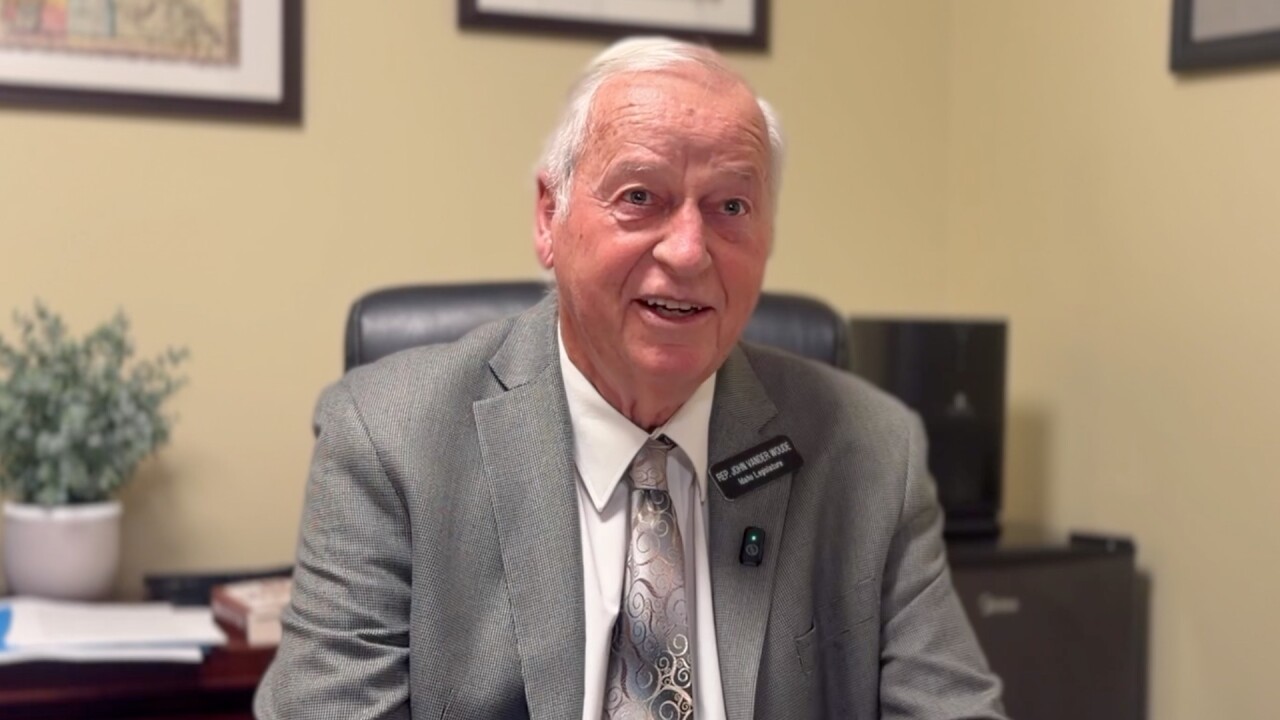
Rep. Vander Woude says it simply comes down to the bottom line, with budgets cut across the state.
“It’s a great idea… when I first looked at the bill, I liked 807… I liked the way it was structured, but it requires more spending. Unless I have a commitment from JFAC that they’re willing to spend $30 million more… then there’s no sense in moving the bill,” Rep. Vander Woude said.
Democratic Rep. Ilana Rubel has been working with these families and says the issue is not a lack of money, but rather where it is being spent.
“I just feel it’s so profoundly unfair to these families. These folks who have been working on this bill for more than 1 year… have just been so diligent… and they are in such dire need… and they’re being told to pound sand essentially,” Rubel said.
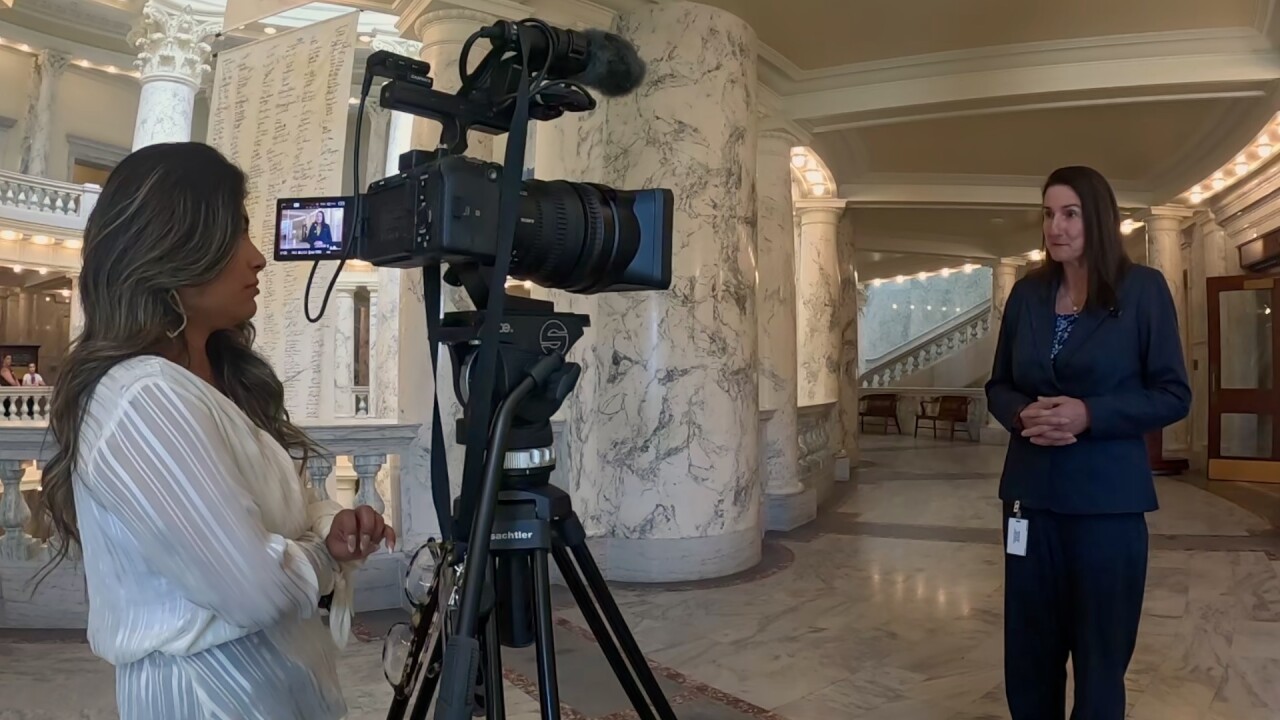
As House Bill 807 awaits a hearing, families like the Wades say they will keep advocating for change.
“Without having the discussion, how can you decide if a program is needed or not. When you’re a parent of a special needs child, you’re always hopeful… you hope that you’re seen, you hope that you’re heard,” Wade said.
This story was initially reported by a journalist and has been, in part, converted to this platform with the assistance of AI. Our editorial team verifies all reporting on all platforms for fairness and accuracy.
